
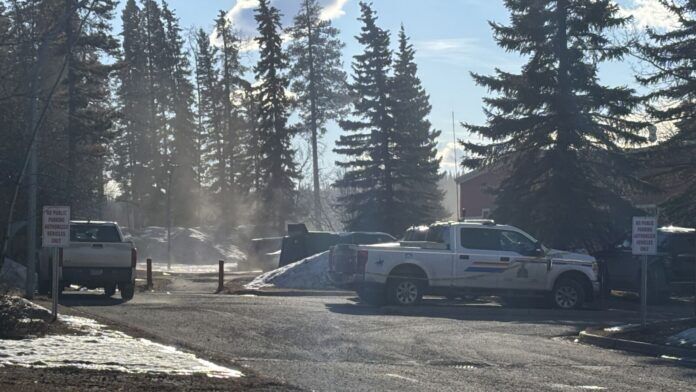

In the wake of a deadly shooting in Tumbler Ridge, B.C., that involved victims between the ages of 11 and 13, a psychologist is advising guardians to check in with themselves before talking to their children.
Registered psychologist and associate director at Calgary Counselling Centre, Lisa McIsaac, said tragic events can be especially difficult for young people to process, but it is important for parents and caregivers to reflect on their own emotions before starting a conversation.
“As adults, we’ve experienced a lot of hardships ourselves … and we’re more likely equipped than children to navigate these emotions,” she said. “It’s important to walk through the process of thoughts and emotions that are coming up for us before we address them with our kids.”
McIsaac recommends first asking a child what they already know and correcting any misinformation.
“Acknowledge how devastating and shocking that it is what happened,” she said. Parents should answer questions with compassion and provide age-appropriate, accurate information.
She also warned about the impact of repeated exposure to traumatic content on social media. McIsaac said it is important to be a “critical consumer about social media” and encouraged adults to limit negative content, consider the source of information and avoid spending too much time dwelling on distressing material.
“I think it’s also important to be selective about the information that you’re taking in and how much time you’re spending ruminating on that because it can be very difficult and hard to absorb.”
She added that exposure to traumatic stories can lead to what is known as secondary or vicarious trauma.
“Vicarious trauma or secondary trauma is when, you know, the retelling of stories or exposure to stories about trauma can be negatively impacting,” she said.
In youth, she said this can appear as recurring thoughts about the event, nightmares, anxiety, fear of going to school or withdrawal from social situations. In adults, symptoms can include heightened stress or anxiety, including fears about their child’s safety.
McIsaac said if a child asks whether their school is safe, parents should validate those concerns and acknowledge them as normal. She said it is also important to be encouraging and supportive in sharing that school environments are usually safe.
“It’s incredibly rare for these situations to happen, especially in Canada,” McIsaac said. “This is one of the most tragic and devastating events that we’ve had happen in a rural Canadian community.”
“So, although it is normal for a child to have those concerns, that it is a rare and shocking circumstance.”
McIsaac encouraged families to stay connected and prioritize both emotional and physical well-being during difficult times. She also encouraged seeking support when needed.